Your building is for sale. What if the tenants could buy it?
Boston's City Council is backing proposed state legislation, usually called TOPA, that could give renters a chance to pursue buying their building. It is still a proposal, not a right today.
By Boston Dwelling · Published · 4 min read
You have a place that works: a manageable commute, neighbors you know, a rent you can plan around. Then the landlord decides to sell. Could the people already living there have a chance to keep the building in familiar hands?
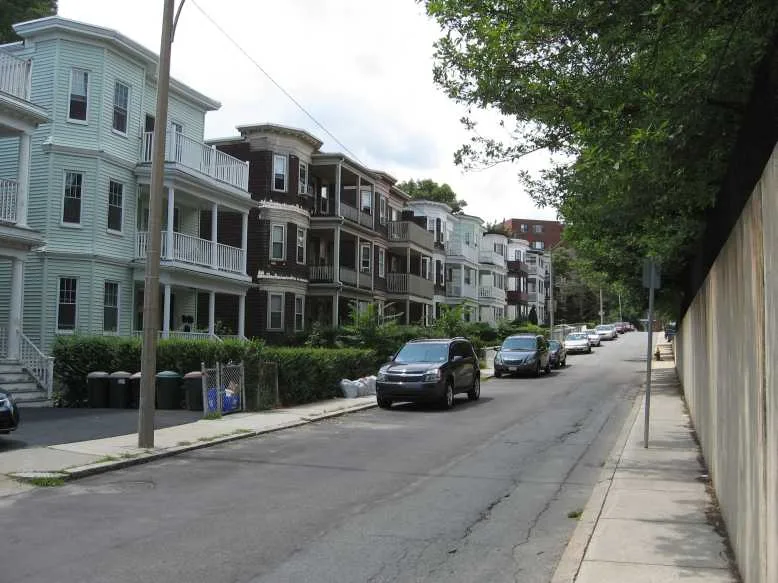
Triple-decker houses in Jamaica Plain, photographed July 28, 2007. Historical Boston housing context; not the hypothetical ten-unit building used in the example. Photo: MarkinBoston · Source: Wikimedia Commons · Public domain (photographer release) · Converted to WebP for web; not resized or cropped; preview thumbnails may be cropped
Boston's City Council is backing state legislation that could give renters that opportunity. Its October 13 update describes a proposal usually called TOPA, short for Tenant Opportunity to Purchase Act.
It is still a proposal. The Council's endorsement does not give Boston renters a new purchase right today.
You would not have to buy the whole building yourself
The basic idea is that tenants could organize as a group and pursue a purchase when an eligible building is sold. They could work with a qualified housing partner, such as a nonprofit, to help arrange financing and complete the deal.
That could mean continuing to rent in a building owned by an affordable-housing organization. Another possible arrangement is collective ownership through a tenant-controlled entity. Neither automatically gives everyone a deed to their own condo.
Ten occupied apartments. Six join together.
- Unit 1: 6 participating units
- Unit 2: 6 participating units
- Unit 3: 6 participating units
- Unit 4: 6 participating units
- Unit 5: 6 participating units
- Unit 6: 6 participating units
- Unit 7: 4 other occupied units
- Unit 8: 4 other occupied units
- Unit 9: 4 other occupied units
- Unit 10: 4 other occupied units
Illustration of H.1544: 51% × 10 = 5.1, rounded up to 6. Proposed rule.
Picture ten apartments working together
Imagine an eligible building with ten occupied apartments. Under the standalone proposal, tenants from six units would need to participate to meet its minimum threshold. They would form an association and decide how to pursue the purchase.
The phrase “right of first refusal” means a chance to match another buyer's deal. It would not make the owner sell for less. The group would still need money, a sound plan for the building and a way to meet the purchase terms.
How the proposed process would work
Step 1: Hear about the sale
Receive the required notice.
Step 2: Organize neighbors
Form an association.
Step 3: Check the deal
Inspect and arrange funding.
Step 4: Complete a purchase
Meet the applicable terms.
The roof still needs paying for
A buying opportunity is useful only if someone can make the numbers work. The purchase price is one expense. Insurance, maintenance and future repairs also have to fit the budget. An old boiler or a roof nearing replacement could change the decision.
The standalone bill calls for operating-expense records and access to inspect common areas and building systems. For residents, those are practical questions: What does this building cost to run? What repairs are coming? Who would manage it?
Boston already has an example of acquisition funding helping people stay in existing homes. In a June 8 announcement, the City reported that its acquisition programs supported the purchase of Parkside on Adams in Roslindale, preserving 43 apartments as permanently affordable rentals.
Those were existing homes preserved through existing programs, not new apartments or a purchase under TOPA. The example shows why financing belongs in this conversation alongside the chance to buy.
| A possible opportunity | A question residents still need answered |
|---|---|
| Join neighbors in pursuing a purchase | Is the building eligible, and have local rules taken effect? |
| Work with a qualified housing partner | Who would own and manage the building? |
| Try to preserve existing rental homes | How would rents, repairs and ongoing costs be funded? |
Potential opportunities under the proposal and the questions they raise. These are not enacted rights.
Supporters want a way to preserve housing and reduce displacement. The Small Property Owners Association opposes both the broader approach and the proposed pilot, arguing that the issue should be debated separately from the economic-development bill.
Adding a purchase process also adds steps to a sale. A useful test is whether residents can actually complete purchases, sellers have clear procedures, and the homes remain financially sustainable afterward. Those are outcomes to examine, not promises the proposal can guarantee.
Lawmakers are considering different versions, including a limited pilot. Until there is a final law and the relevant local implementation, renters should not assume their building qualifies or that a sale has been paused.
If this sounds like your situation
- Keep your lease and any sale notices together. Continue responding to current paperwork; a proposed law does not change those responsibilities.
- Ask what a purchase would mean for your home. Would you remain a renter or become part of an ownership group? Who would pay for repairs and manage the property?
- Watch for an enacted law and local participation. A Council resolution is a show of support, not a building's eligibility decision.