Before you rent that garden-level apartment, check the flood fine print
A few steps below the sidewalk can change the questions you need to ask about water damage and protecting your belongings. Here’s what to check before signing.
By Boston Dwelling · Published · 3 min read
The apartment has enough room for your desk. The location works. The rent fits your budget.
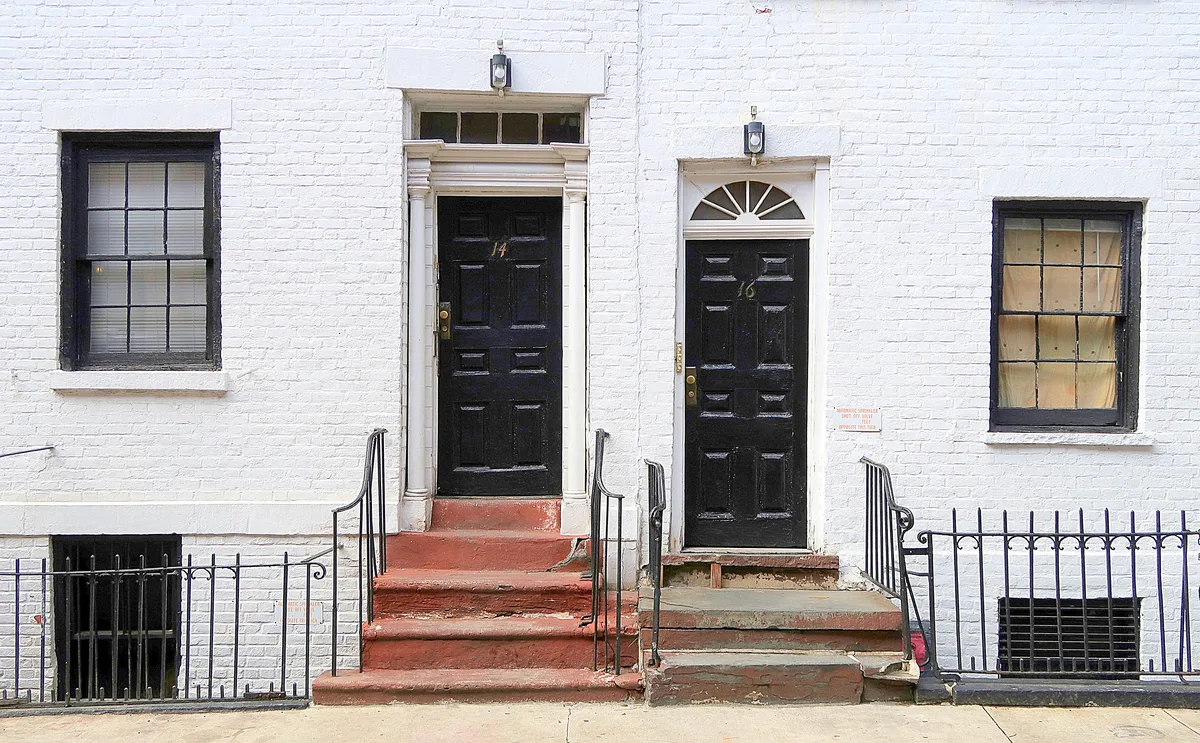
Photo: Spencer Means · Source: Wikimedia Commons · CC BY-SA 2.0 · Resized and converted to WebP; no crop; preview thumbnails may be cropped
Then you notice the entrance is a few steps below the sidewalk.
That doesn’t automatically rule it out. But it should change the questions you ask before signing. If water gets inside, what protects your furniture, laptop and clothes? And does the insurance company describe the apartment the same way the listing does?
For Boston renters, those details deserve a place alongside rent, laundry and the commute.
Start with the building’s history
Boston’s Renter’s Guide to Flooding (opens in a new tab) specifically identifies basement, garden-level and below-street-level apartments as particularly vulnerable.
At a showing, look beyond the fresh paint. Check for water stains around windows and doorframes, warped flooring and persistent musty smells. Outside, notice whether the entrance sits at the bottom of steps where water could collect.
Ask the landlord directly: Has water entered this unit during heavy rain or snowmelt? What caused it, and what was repaired? Boston also recommends asking neighbors about previous flooding. Get the landlord’s answers in writing so you have something specific to follow up on.
Check the address using the links on Boston’s flood-risk page (opens in a new tab). But keep looking even if the property is outside a mapped high-risk zone. The city explains that heavy rainfall can overwhelm drainage systems and flood properties inland, too.
A map helps you investigate an address. It cannot tell you whether that particular doorway, window or drain has caused trouble.
“Water damage” can mean different insurance claims
A burst pipe, rainwater entering from the street and a backed-up drain can leave similar damage. Insurers may treat them differently.
Massachusetts’ Division of Insurance explains (opens in a new tab) that standard renters policies exclude flood damage. Separate flood coverage or an applicable endorsement may be needed. Sudden, accidental plumbing leaks (opens in a new tab) may fall under renters coverage, depending on the policy.
| What happens | Coverage question to ask |
|---|---|
| A pipe suddenly bursts and damages your belongings | Does my renters policy cover this cause, and what deductible applies? |
| Outside floodwater enters the apartment | Do I have separate flood contents coverage, or an endorsement that covers this? |
| Water backs up through a drain | Do I need a water-backup endorsement? Would a qualifying flood change how the claim is treated? |
| Floodwater damages belongings in a basement | Which possessions are actually covered under the policy’s basement restrictions? |
Sources: Massachusetts Division of Insurance, Allstate’s water-damage guidance and FEMA’s basement-coverage guidance. This is a conversation checklist, not a coverage determination. A flood-caused sewer backup can be treated differently from one caused by clogged pipes.
Your landlord’s flood policy does not insure your belongings. Renters can obtain their own contents-only flood coverage (opens in a new tab), but that still leaves an important question about where those belongings are located.
The basement definition matters more than the listing
Under the National Flood Insurance Program, a room can qualify as a basement when its floor is below ground on every side. Windows and finished rooms do not, by themselves, settle that classification.
FEMA’s basement fact sheet (opens in a new tab) lists couches, computers and televisions among excluded basement belongings. Certain other items have limited coverage under specified conditions.
That makes “I have flood insurance” an incomplete answer for someone living below grade.
There is a real example in FEMA’s published appeal records (opens in a new tab). Tenants with $30,000 in personal-property coverage disputed a denial involving their first-floor apartment. The insurer’s photographs established that the apartment was below ground on all sides. FEMA upheld the denial under the policy’s basement restrictions.
The lesson is practical: send your insurer the apartment’s layout and photographs, and ask for a written explanation of its classification and exclusions before paying for coverage you expect to protect your possessions.
Put these three things on your apartment checklist
- Ask what happened before. Request the unit’s water-entry history and an explanation of completed repairs.
- Check coverage for this exact apartment. Confirm basement restrictions, covered causes, deductibles and temporary-housing protection.
- Make a plan before moving in. Photograph your belongings, keep important documents elevated and establish whom to contact if water enters. Boston recommends raised storage and watertight containers.
Don’t leave insurance until a storm appears in the forecast. New NFIP policies (opens in a new tab) generally have a 30-day waiting period, with exceptions, and do not cover temporary housing or additional living expenses. Ask about those gaps explicitly.
A garden-level apartment may still be the right home. You deserve to make that decision knowing what happens after the weather changes.